Learning how to make clothes last longer comes down to a few habits: wash them less often, wash them gently and cooler, dry them without harsh heat, and mend small faults early. Fibre type and the care label decide the details.
Care is one practical part of sustainable fashion, because a garment that stays in use for longer reduces the need to make and buy another.
Why a longer life matters
Once a garment has been made, the most direct lever left to its owner is to keep wearing it. The charity WRAP, which works on resource use in the United Kingdom, reports in its work on clothing durability that extending the lifespan of clothing by just nine months could reduce carbon, water, and waste footprints by up to 20%. That is an estimate for clothing overall, not a promise for any single item, but it shows why care and repair are treated as serious environmental measures.
The European Commission shares the direction of travel. Its strategy for textiles describes a vision in which textile products on the EU market are durable, repairable and recyclable, and lists design requirements for textiles to make them last longer and be easier to repair. Good care on the owner’s side complements better design on the maker’s side.
Reading the care label and sorting laundry
The care label sewn into a garment is the maker’s tested guidance for that exact fabric and construction, so it is the first thing to check. The symbols give the highest sensible washing temperature, whether the item can be tumble dried, ironed or bleached, and whether it needs dry cleaning. When a label and a general tip disagree, the label wins.
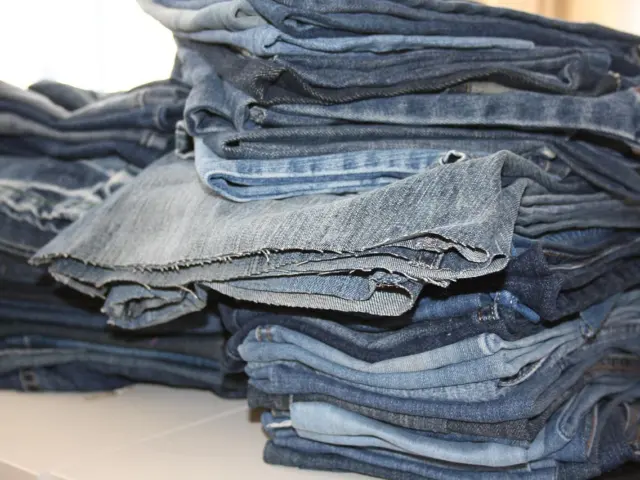
Sorting matters as much as the label. Separating loads by colour limits dye transfer, and separating by weight and texture stops heavy items from wearing lighter ones. Jeans, towels and zips are common culprits: zips and hooks catch delicate knits, so closing them before the wash avoids snags. Turning printed, dark and embellished pieces inside out protects the visible surface from friction. Putting small or fragile items into a mesh laundry bag adds another layer of protection.
Natural and synthetic fibres age differently. Wool and silk are sensitive to heat, agitation and strong detergents. Cotton and linen tolerate more, but they still weaken with repeated hot, long washes. Elastane stretches and then loses its recovery when overheated, which is why stretch fabrics are often the first to sag.
Washing less, cooler and more gently
Every wash cycle subjects fabric to water, detergent, heat and mechanical rubbing. A garment that is not visibly dirty or smelly can often be aired, spot-cleaned or brushed instead of laundered. Outerwear, wool knitwear and jeans usually need washing far less often than underwear, sportswear and baby clothes.
When a wash is needed, a cooler cycle with a shorter programme and a sensible load is gentler on fibres and colours. The European Environment Agency summarises early research in its briefing on microplastics from textiles: initial studies indicate that long wash cycles increase wear and tear, and using high temperatures tends to damage fabric structure. Overloading a drum leaves too little room for water to move, while a half-empty drum lets items bang about, so a properly filled machine is the compromise.
Detergent choice also counts. Use the dose recommended on the pack for the water hardness and soil level, since excess detergent leaves residues that stiffen fabric and dull colours. Wool and silk need a detergent made for them. Bleach and strong stain removers are best kept for white cotton and linen, and fabric softener can coat fibres and reduce the absorbency of towels and sportswear.
Drying, ironing and storage
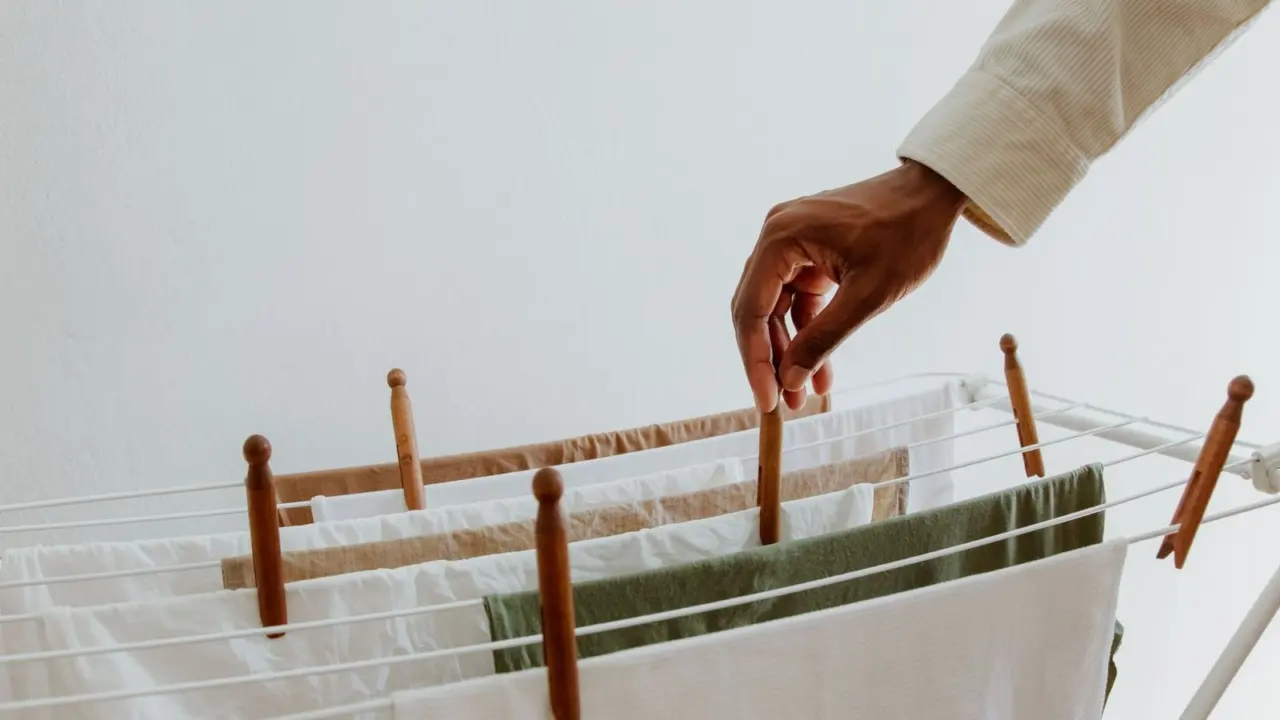
Heat is one of the most common causes of premature wear. Air drying on a rack or line keeps fibres from shrinking and from breaking down, and it avoids the lint that a tumble dryer pulls from garments. Drying in direct strong sunlight can fade dark colours, so shade or an indoor airer suits delicate and coloured items. Knitwear is best dried flat to keep its shape, because hanging a wet jumper stretches the shoulders.
Ironing should follow the dot symbols on the label, and many synthetic and delicate fabrics need a low setting or a pressing cloth. Steaming is a gentle alternative that relaxes creases without direct contact. Between wears, let clothes breathe before putting them away.
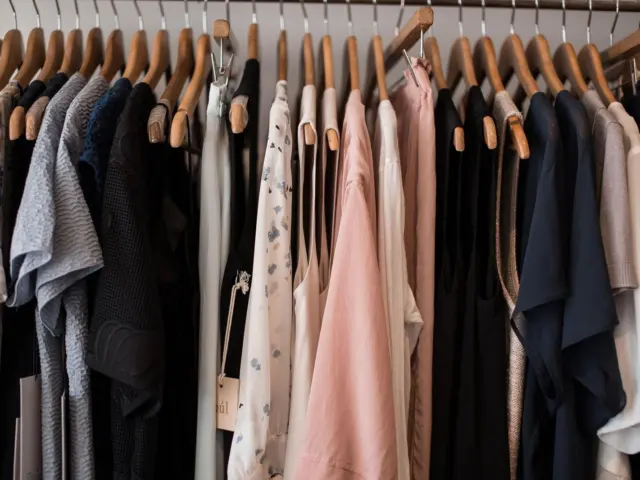
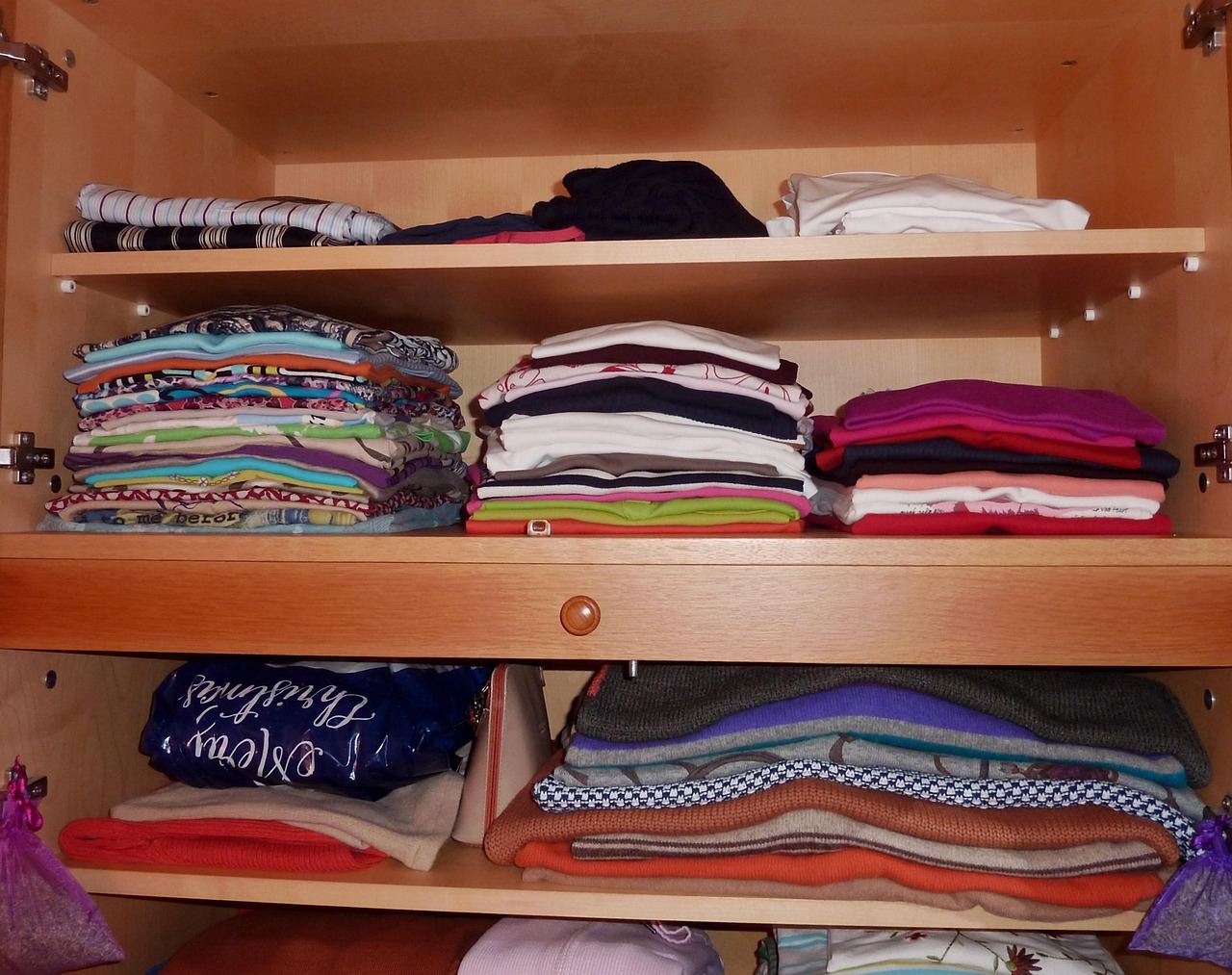
Storage affects longevity too. Wooden or padded hangers support the shoulders of jackets and shirts, while knitwear should be folded rather than hung. Keep wardrobes clean and dry, and store woollens clean, since food traces and body oils attract moths and mould. Breathable cotton covers are better than sealed plastic for long-term storage, as trapped moisture encourages mildew.
Microfibres and the washing machine
Caring for synthetic clothes also touches on pollution. The European Environment Agency briefing notes that microfibres are not retained by washing machines, and estimates that 13,000 tonnes of textile microfibres, or 25 grams per person, are released to surface waters in Europe each year. Waste water treatment catches a large share of them, but not all.
The same briefing reports that the release of microfibres can be reduced by up to 80% by using a washing machine filter. Filters of this kind are an option for households, and fuller loads, gentler programmes and fewer washes all reduce the rubbing that sheds fibres in the first place. Fabrics that are well made and tightly woven or knitted usually shed less than loosely constructed, low-quality ones.
Mending and repair
Repair keeps garments in use. A loose button, a split seam or a small hole is cheap to fix when caught early and expensive in lost clothing when ignored. Basic skills such as sewing on a button, closing a seam with a running stitch and darning a hole in a sock cover most everyday damage. Visible mending, which turns a repair into decoration, is a long-established craft that many people now use on denim and knitwear.
For jobs beyond home skills, such as replacing a zip, relining a coat or reshaping a suit, a tailor or repair workshop can usually help. Moth holes in wool can be reweaved, and leather and shoes can be resoled and reconditioned. Repair also keeps the original fabric out of the waste stream, which matters because collecting and processing worn textiles is difficult, as the guide to textile recycling explains.
Understanding where a garment comes from can guide how much to expect from it. A thorough look at fashion supply chain traceability shows how fibres, mills and factories shape quality, which in turn influences how well a piece holds up to repeated washing.
When a garment has truly finished its useful life, options include passing it on, donating it or sending it for textile collection rather than putting it in general waste. This article is general information about garment care and does not replace the instructions on a specific label.
Frequently asked questions
Should clothes be washed after every wear?
Not always. Underwear, socks, sportswear and anything stained or sweaty need washing after wearing, but jumpers, jeans, jackets and trousers can often be aired and spot-cleaned between washes.
Is it better to air dry or tumble dry?
Air drying is gentler, because heat and tumbling wear fibres and shrink some fabrics. Tumble drying can suit towels and bedding when the label allows it, preferably on a lower heat setting.
How can small holes and loose threads be dealt with?
Do not pull a loose thread; trim it or sew it back in. Small holes can be darned or patched early, before the surrounding fabric weakens and the hole grows.
Does a washing machine filter help with synthetic clothes?
A filter fitted to a washing machine can capture a large share of the microfibres that synthetic fabrics release. Gentle programmes, fuller loads and fewer washes also help reduce shedding.