Sustainable fashion is clothing designed, made, sold and used in ways that reduce harm to people and the environment across its whole life, from fibre and factory through to wear, repair and disposal.
This guide is the starting point for the topic on this independent information site, and each section points to a deeper article on one part of it.
What sustainable fashion means in practice
The phrase is used loosely, so it helps to break it into parts. A garment has an environmental side: the land, water, energy and chemicals used to grow or make the fibre, to spin, dye and sew it, and to ship it. It has a social side: the conditions and pay of the people who do that work. And it has a time side: how long the garment is actually worn, whether it can be repaired, and what happens when its owner no longer wants it. A piece of clothing can look strong on one of these and weak on another, which is why a single label rarely settles the question.
The European Commission sets out a clear picture of where it wants the sector to go. Its vision is that all textile products placed on the EU market are durable, repairable, recyclable, and, to a great extent, made of recycled fibres, free of hazardous substances, and produced in respect of social rights and the environment. That sentence is useful because it covers materials, chemistry, longevity and labour in one line, and it shows that sustainability is about the whole system rather than one fabric.
It also helps to separate sustainable fashion from related ideas. Slow fashion usually means buying less and keeping things longer. Ethical fashion usually stresses labour conditions. Circular fashion focuses on keeping materials in use. They overlap, and this site treats them as parts of one subject, with the labour and regulation side covered under ethical business.
Why the clothing system is under pressure
Clothing is a big part of everyday consumption, and its footprint is easy to underestimate. The European Commission notes that EU consumption of textiles has, on average, the fourth highest impact on the environment and climate change, after food, housing and mobility. It also reports that 5 million tonnes of clothing discarded each year in the EU works out at around twelve kilograms for each person, and that only a very small share of the material in clothing is recycled into new clothing.
The Ellen MacArthur Foundation, a charity that studies the circular economy, describes how the system arrived here. It says that in the last 15 years, clothing production has approximately doubled, while clothing use has declined by almost 40%. The same page attributes both trends mainly to the fast fashion model, with quicker turnaround of new styles, more collections each year and often lower prices. It adds that some garments are estimated to be discarded after just seven to ten wears.
Raw material use is the other half of the story. The foundation estimates that the textiles industry relies mostly on non-renewable resources, 98 million tonnes in total per year, including oil for synthetic fibres, fertilisers for cotton and chemicals for dyeing and finishing. The detailed picture of where the damage occurs, from water and land to emissions, is explained in the article on fast fashion environmental impact.
These figures are estimates from organisations with a policy view, and they describe averages. Individual garments, fibres and factories vary widely, which is why the later sections look at materials and supply chains one at a time.
Fibres and materials: what garments are made from
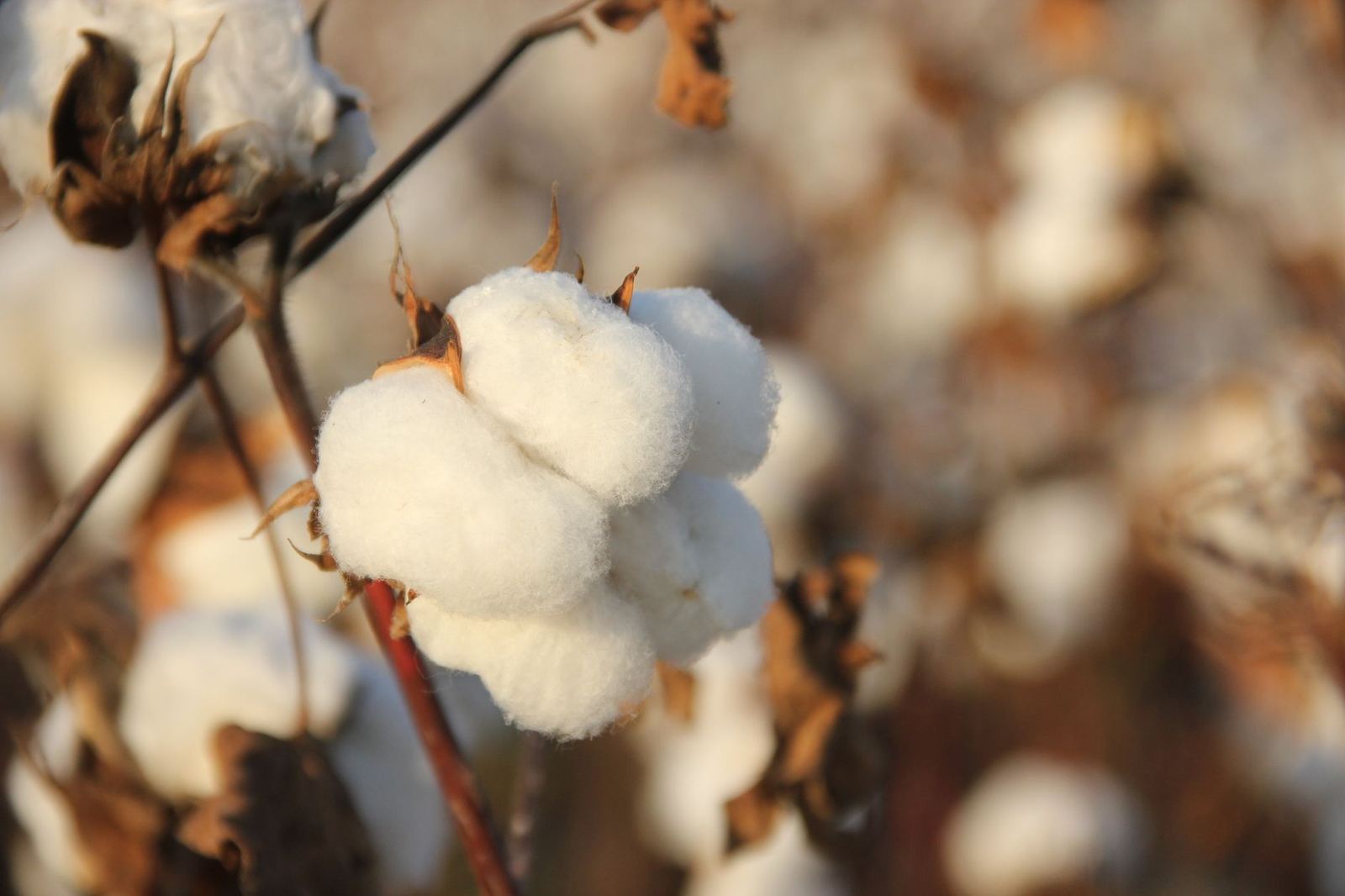
The choice of fibre shapes most of what follows, because it decides how the raw material is produced, how the fabric behaves and whether it can be recycled. Fibres fall into three broad families. Natural plant fibres such as cotton, linen, hemp and jute come from crops. Natural animal fibres such as wool and silk come from livestock and insects. Synthetic fibres such as polyester and nylon are made from fossil raw materials, and a further group of manufactured cellulose fibres, such as viscose, is made by chemically processing wood pulp.
No family is simply good or bad. Plant fibres need land and often irrigation and crop inputs. Animal fibres raise questions about land use and animal welfare. Synthetic fibres are durable and cheap but depend on oil and shed tiny plastic particles when washed. The Commission lists among its planned actions a push to address the unintentional release of microplastics from synthetic textiles, which shows that regulators now treat this as a design problem and not only a laundry problem.
Two materials get most of the attention from shoppers. Cotton grown without synthetic pesticides and fertilisers is sold as organic, and the rules for growing, certifying and labelling it are covered in the guide to organic cotton. Polyester made from collected plastic bottles or old textiles is sold as recycled, and the guide to recycled polyester explains where that feedstock comes from and why the claim has limits.
A useful rule of thumb is to ask what the fibre will do over the life of the garment rather than only at purchase. A durable, well-made garment in a conventional fibre can have a smaller footprint per wear than a short-lived one in a fibre with a green label. Blends deserve a second look too, because mixing fibres in one fabric can make it much harder to recycle at the end of its life.
The supply chain from fibre to finished garment
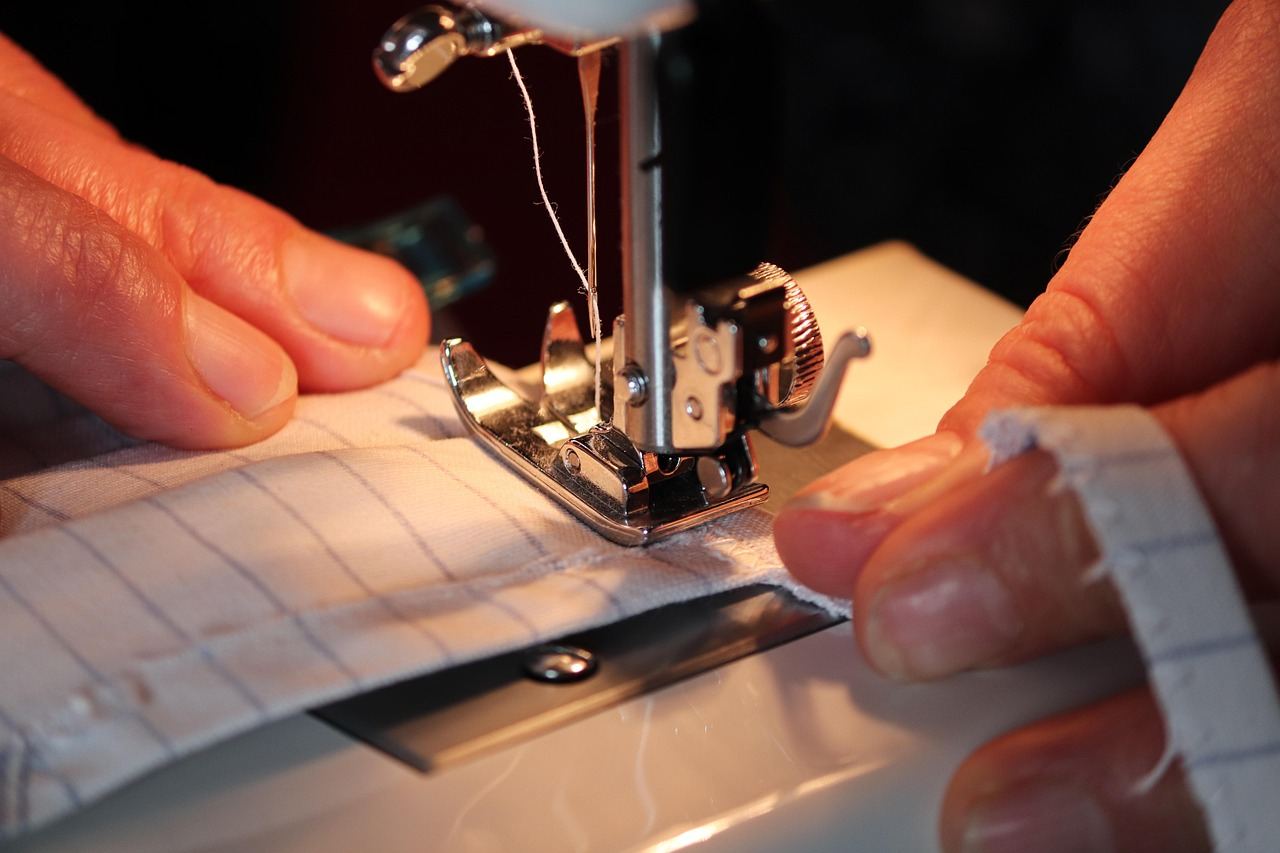
A single shirt usually passes through many hands in many places. Fibre is grown or produced, then spun into yarn, woven or knitted into fabric, dyed and finished, cut and sewn into a garment, packed and shipped, and finally sold. Each stage can be run by a different company, often in a different country, and the brand whose name is on the label may deal directly with only one or two of them.
That structure is why traceability matters. Traceability means being able to follow a product back through those stages and show who handled it and where. Without it, a brand can say little with confidence about the farm, the mill or the dye house behind a product, and claims about origin or working conditions are harder to check. The mechanics are explained in the article on fashion supply chain traceability.
The people in these chains are a large part of the picture. The International Labour Organization, the United Nations agency for work, says that the sector provides employment opportunities to millions of workers worldwide, especially young women. The same page recalls that the tragedy of the Rana Plaza collapse brought worldwide attention to the urgent need to improve workplace safety and working conditions. Safety, wages and the right to organise are therefore part of what sustainability means for clothing, and they are handled in more depth under ethical business.
For shoppers the practical lesson is modest. A garment label normally gives a fibre composition and a care instruction, and sometimes a country of manufacture, but it does not show the whole chain. Information beyond the label usually comes from certifications, brand reports or, increasingly, a digital record attached to the product, a development covered further below.
Certifications and labels you may meet
Certification schemes try to give a shopper or a buyer a shortcut: an independent body checks something, and a label says so. The schemes check very different things, so they are not interchangeable. Some look at how a fibre was farmed, some at what chemicals remain in the finished fabric, some at the factory processes, and some at the company as a whole. The overview in textile certifications compares what each one covers.
Two well-known examples show the difference. The Global Organic Textile Standard describes itself as a globally recognised certification for textiles made with organic fibres that combines environmental and social requirements with independent certification across the textile processing supply chain. It states that to sell a product as GOTS-certified, each company involved in the processing of the product must be certified. In other words, it follows the product through the processing stages, but it starts where farming ends.
OEKO-TEX STANDARD 100 works differently. Its own page calls it a label for textiles tested for harmful substances, and says that every item has been tested against a list of over 1,000 harmful substances. That is a safety test for harmful substances covering the textile from yarn to finished product, not a statement about farming or working conditions. A shopper who treats it as a statement about wages or the climate is reading more into the label than it says.
The key habit is to read what a label actually certifies and who runs the scheme. A claim such as eco-friendly or conscious with no scheme behind it is a marketing phrase and not a certification, a topic covered under greenwashing in the ethical business section of this site. This guide gives general information and is not legal or compliance advice for businesses that need to make claims.
How EU rules are changing the picture
Regulation is moving from voluntary guidance toward binding rules. The European Commission describes its textiles strategy as covering the full lifecycle, and among the actions it lists are to set design requirements for textiles to make them last longer, easier to repair and recycle and to introduce a Digital Product Passport. A digital product passport is a digital record that travels with a product and holds information about its materials, origin and care, so that buyers, repairers and recyclers can read it.
The strategy also covers who pays for the end of a garment’s life. The Commission page notes that a proposal was made to introduce mandatory and harmonised Extended Producer Responsibility (EPR) schemes for textiles in all EU Member States. Under extended producer responsibility, companies that put products on the market contribute to the cost of collecting and recycling them, which gives them a reason to design products that last and can be recycled.
Claims are being tightened as well. The same page says that the Empowering Consumers in the Green Transition Directive and Green Claims Directive aim to tackle greenwashing. Details of the dates of application, and which of these measures bind which businesses, change as the legislation moves forward, so the stated position here is the one at the time of writing and readers who need to act on it should check the official texts.
These rules do not make a garment sustainable by themselves, but they change what information is available and who is accountable for it. For a small fashion business the most useful step is to understand which of these obligations apply to its own products. The wider reporting and responsibility framework is explained in the companion guide on ethical business covered earlier.
Making clothes last, and what happens afterwards
The most reliable way to cut the footprint of a wardrobe is to use what already exists for longer. Washing less often, at lower temperatures, drying with care, mending small faults and storing garments properly all extend their life. Practical routines are set out in the guide on how to make clothes last longer.
When a garment no longer suits its owner, the options form a ladder. Passing it on, selling it second-hand, renting, or having it repaired or remade keep the item in use and are generally preferred over breaking it down. These models are grouped under circular fashion, which describes how repair, resale, rental and recycling fit together. The Ellen MacArthur Foundation describes the aim as a system in which clothes, textiles, and fibres are kept at their highest value during use and re-enter the economy after use, never ending up as waste.
Recycling comes last in that ladder for a reason. The Commission reports that 1% of material in clothing is recycled into new clothing. Mixed fibres, trims, dyes and finishes make most garments hard to separate, and the sorting and processing capacity is still limited. How the processes work, and why the recovered share is so small, is explained in the article on textile recycling.
Daily life also shapes what is practical. Local collection points, markets for second-hand goods and repair services differ from city to city, and the guide to living in Barcelona covers the city context for readers who want local detail on shopping, recycling and getting around.
How to read green claims as a shopper or a small business
A few questions cut through most marketing. What exactly is being claimed: a fibre, a factory, a product or the whole company? Who checked it, and is that body independent of the seller? Is the claim specific, with a named standard or a stated share, or is it a general phrase? Does the information cover the whole garment or only one part, such as a lining or a label? A clear answer usually names a scheme and says what it covers, as the examples above do.
For a small business, the same questions work in reverse. Claims should be narrow enough to prove, supported by documents from suppliers, and updated when suppliers change. Overstating a modest improvement tends to cause more trouble than saying nothing, and rules on environmental claims are tightening in the European Union. This guide offers background and is not a substitute for advice on a specific product or market.
For anyone who simply wants to buy better, the evidence points to a short list: buy fewer things of higher quality, choose fibres with the least problematic trade-offs for the intended use, look for an independent label that matches the concern, wear items often, and pass them on when finished. None of these needs a special product, and all of them reduce the pressure described at the start of this guide.
Frequently asked questions
Is natural fibre always more sustainable than synthetic?
No. Plant and animal fibres bring land, water and welfare questions, while synthetics depend on fossil raw materials and shed microplastics. How long the garment is worn and what happens afterwards often matters as much as the fibre type.
Does a certification label mean a garment is fully sustainable?
No. Each scheme checks a defined thing. The Global Organic Textile Standard covers organic fibre processing, while the OEKO-TEX label shows that a textile has passed tests for harmful substances, from yarn to finished product. Reading what a label covers is the key step.
Why is so little clothing recycled into new clothing?
Garments mix fibres and carry trims, dyes and finishes that are hard to separate, and processing capacity is limited. The Commission puts the share at 1% of material in clothing recycled into new clothing, which is why keeping garments in use matters more.
What is a digital product passport?
It is a digital record attached to a product that holds information such as materials, origin and care. The European Commission lists introducing a Digital Product Passport among the actions in its textiles strategy.
Is this site connected to any brand or certifier?
No. It is an independent information site and does not sell products, offer services or take enquiries. It is not connected to any brand, certification body, public authority or company mentioned.