Circular fashion is a way of designing, selling and using clothes so that garments stay in use for as long as possible and their materials come back into the economy instead of becoming waste. Repair, resale, rental and recycling are its main tools.
This guide sits within the wider topic of sustainable fashion and looks at how each circular route works, what the rules in Europe now ask of companies, and what the numbers say about how far the system has to travel.
From a linear to a circular fashion system
The Ellen MacArthur Foundation, a charity that promotes the circular economy, puts the problem bluntly: today’s fashion industry is linear, and it should be circular. In a linear system, fibres are grown or made, turned into garments, worn for a short time and then thrown away. The same organisation describes the circular alternative as resting on three principles, driven by design: eliminate waste and pollution, circulate products and materials at their highest value, and regenerate nature.
Applied to clothing, the picture in the foundation’s textiles economy report is a system in which clothes, fabric and fibres re-enter the economy after use and never end up as waste. The order matters. Keeping a garment in use is generally better than breaking it down into fibre, which is why repair, resale and rental come before recycling in most circular strategies.
Circularity also starts before a garment exists. Durable fabrics, sturdy seams, standard sizing and designs that can be mended or taken apart all make later reuse and recycling easier. The European Commission’s textile strategy states the aim directly: that all textile products placed on the EU market are durable, repairable, recyclable and, to a great extent, made of recycled fibres.
Repair and care: the first line of circularity
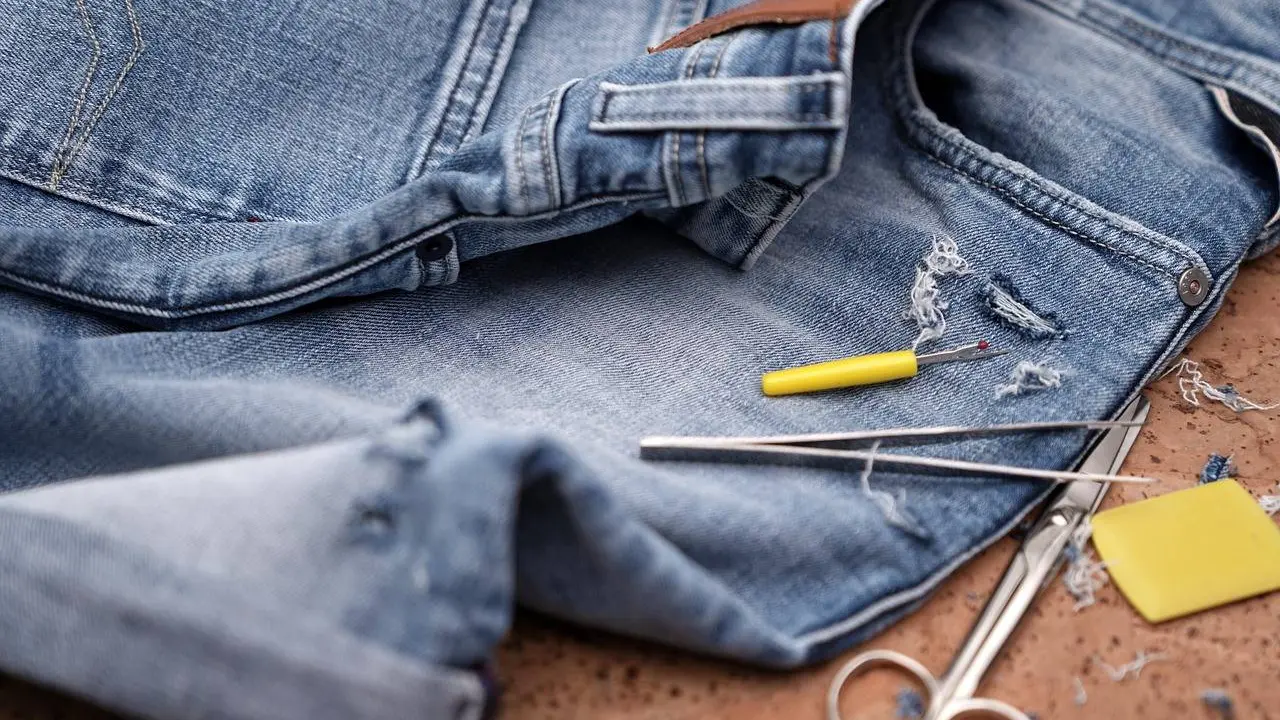
Repair is the simplest circular practice, and it needs no new technology. Replacing a button, darning a knit, re-stitching a hem, resoling a shoe or patching a lining returns a garment to service at the cost of a little skill and time. Tailors, cobblers, repair cafes and brand-run repair services all do this work, and many people do it themselves at home.
Policy documents treat repair as a business activity worth building up. The European Commission’s strategy for sustainable and circular textiles says that in the future economically profitable re-use and repair services are widely available, which implies they are not yet a mainstream part of buying clothes. Everyday habits such as washing at lower temperatures and storing clothes properly also extend a garment’s life before repair is ever needed.
Resale and rental: more wears per garment
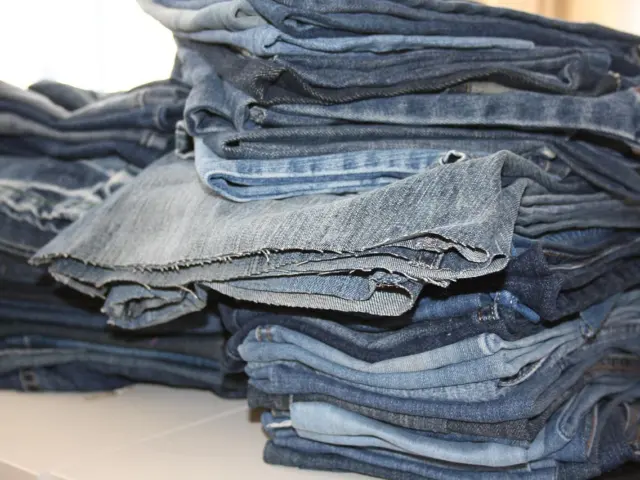
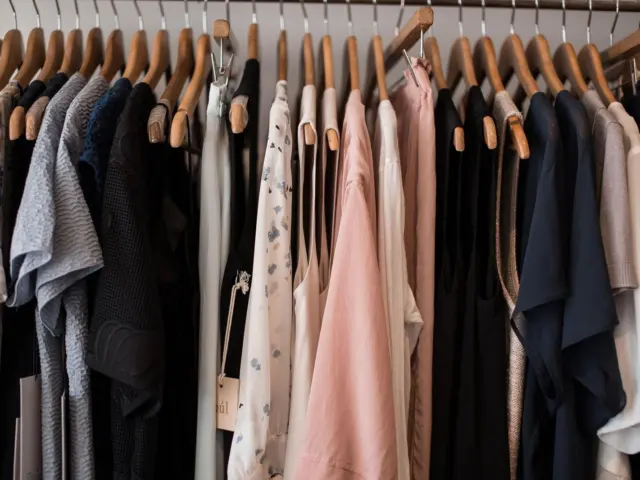
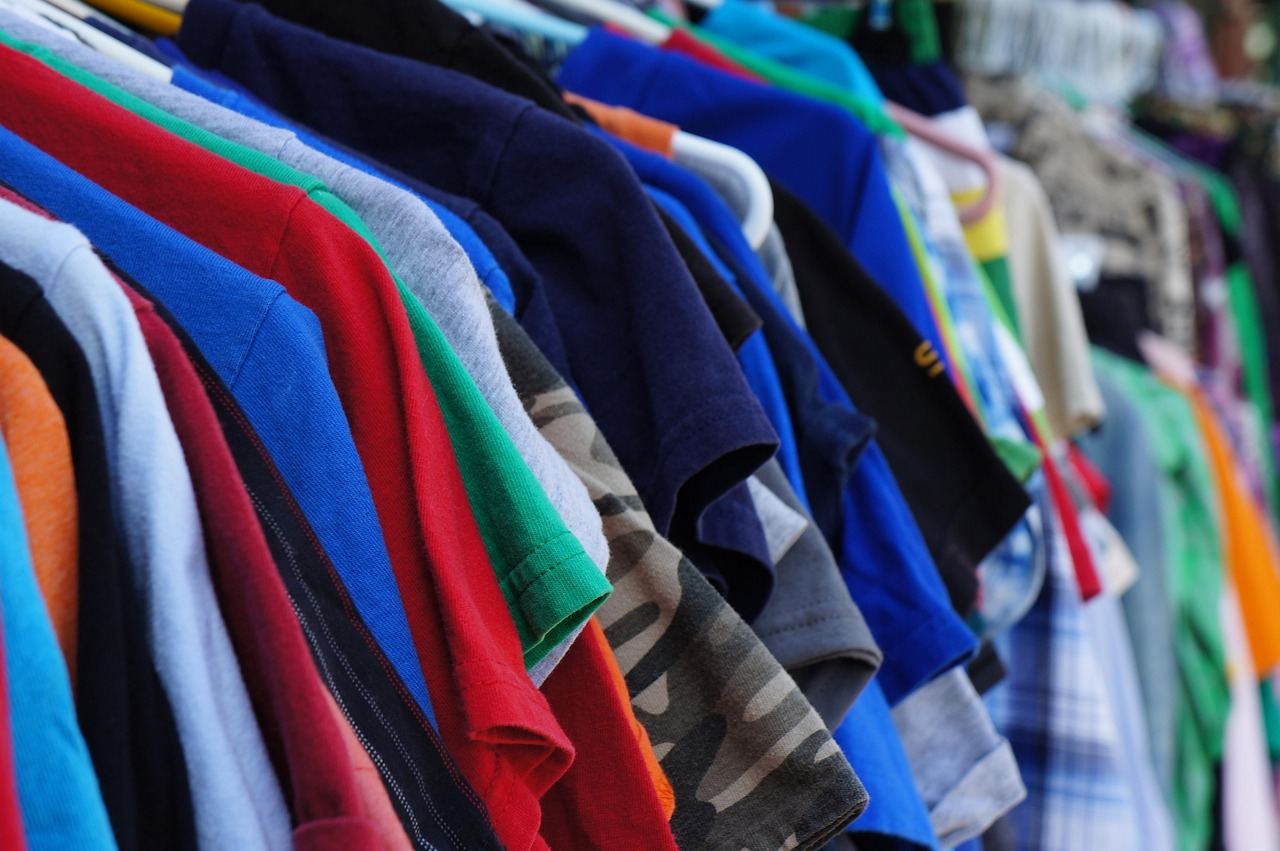
Resale moves a garment from one owner to the next. It covers charity shops, vintage dealers, consignment stores, clothes swaps and online marketplaces. The garment’s value is spread across more wearers, and a new purchase is avoided each time a second-hand piece is chosen instead.
Rental and subscription services work differently. The company keeps ownership and lends the item for a period, which suits occasion wear and items that are used rarely. The same Commission strategy lists reuse, renting and repair, take-back services and second-hand retail as the circular business models that longer-lasting clothing would support.
These models are not automatically greener. Rental involves transport, cleaning and packaging between customers, and cheap items resold in large volumes can simply encourage more buying. The environmental benefit depends on whether a second-hand or rented garment truly replaces a new purchase, which is why this guide treats reuse as a shift in behaviour as much as a business model.
Why circular fashion matters: the European numbers
The scale of the problem explains the policy interest. According to the European Environment Agency, each person in the EU consumed on average 16 kg of textiles in 2020, and the agency’s figures show that 4.4 kg of that per person was collected separately for reuse and recycling, while 11.6 kg per person ended up in mixed household waste. The same page notes that an estimated 4-9% of all textile products put on the European market are destroyed without ever being used for their intended purpose.
The picture has improved only slowly. The EEA’s later briefing on textile circularity in numbers reports that in 2022 the capture rate was just under 15%, meaning that 85% of all textile waste from households was not collected separately and instead ended up as mixed household waste, from which it cannot be reused or recycled. That is the gap circular fashion tries to close, and it links directly to the fast fashion environmental impact that the topic is usually set against.
Recycling as the last circular loop
When a garment can no longer be repaired or worn, recycling recovers its material. Mechanical routes shred fabric back into fibres, and chemical routes break fibres down further. Blended fabrics, trims, dyes and finishes make the sorting and separation hard, which is a large part of the reason that the amount of clothing turned back into new clothing remains small. A separate guide explains textile recycling in detail.
Recycling depends on collection first. A Commission communication had set a deadline to establish separate collection of textile waste by 1 January 2025, and the EEA notes that the Waste Framework Directive mandates separate collection systems for used textiles from 2025. Since then, Member States have been required to establish separate collection systems for used textiles, so that worn-out clothes stop travelling in the general bin. Collecting them separately is the necessary first step, and the sorting, reuse and recycling capacity behind it then has to be built.
What EU rules now ask of fashion companies
Regulation is moving circular practice from voluntary to required. In a news item dated 17 July 2026, the Commission reports that from 19 July 2026 large companies across the EU are prohibited from destroying unsold clothes, clothing accessories and footwear. Medium-sized companies follow in 2030, and small and micro-businesses are exempt. Instead of destroying stock, companies are expected to sell it, donate it or prepare it for reuse by repairing, refurbishing or remanufacturing it. Destruction remains possible only in limited cases, such as when items are unsafe or damaged, counterfeit or infringing intellectual property rights, or rejected by charities or donation schemes. Businesses relying on these exemptions must provide proof, such as documents or test results, and publish annual reports on what they have discarded.
A second change concerns who pays for end-of-life. The revised EU waste framework directive, Directive (EU) 2025/1892, requires Member States to ensure that producers have extended producer responsibility for textile, textile-related or footwear products that they make available on the market for the first time. It is not yet an obligation that applies to producers directly: Member States must bring the national laws needed into force by 17 June 2027 at the latest, and must ensure the producer responsibility schemes are established by 17 April 2028. Once those schemes run, producers will help finance the collection, sorting, reuse and recycling of what they sell. National rules and timetables differ, and this is general information, not legal or compliance advice, so businesses should check the current text and their own national law.
What circular fashion means for shoppers and small brands
For shoppers, the practical choices follow the same order as the system: buy fewer and better-made items, wear them for longer, mend them, pass them on or sell them, and only then send them for recycling. Checking whether a garment can be repaired and whether a brand offers repair or take-back is a sensible question before buying.
For small fashion businesses, circular practice can mean offering repairs, using durable materials, designing with fewer mixed fibres, selling remaining stock rather than discarding it, and being honest about what a product can and cannot do. Claims about recyclability or circularity should be specific and supportable, since vague green wording is a risk in its own right.
Frequently asked questions
What is the difference between circular and sustainable fashion?
Sustainable fashion is the broad goal of reducing environmental and social harm across clothing. Circular fashion is one route toward it, focused on keeping garments and materials in use and avoiding waste.
Is recycling the most important circular step?
Not usually. Keeping a garment in use through repair, resale or rental generally comes before recycling, which recovers material only once the garment itself has reached the end of its useful life.
Do resale and rental always reduce environmental impact?
No. The benefit depends on whether a second-hand or rented item replaces a new purchase, and on the transport, cleaning and packaging involved.
Can companies still throw away unsold clothes in the EU?
Large companies are now prohibited from destroying unsold clothes and footwear, except in limited cases such as unsafe or damaged goods, as the Commission explains. Small and micro-businesses are exempt.