
Barcelona markets are a municipal network managed by the Institut Municipal de Mercats de Barcelona, an autonomous body of the city council that looks after the buildings, the services and the renovation programme across the city’s neighbourhoods.
This guide explains how that system is organised, from its public management to its market types and rebuilding model, as a complement to living in Barcelona day to day. It is general information, not a shopping guide or an official publication.
A network run by a city institute
According to the Municipal Institute of Markets of Barcelona itself, it is an autonomous body of Barcelona City Council that is responsible for the management and administration of the city’s municipal markets. That wording matters: the markets are not a loose collection of private halls. They are facilities in a coordinated municipal system, managed by a body that works on infrastructure, services and commercial promotion.
The institute describes its work as focused on the improvement of infrastructures and services, the updating of the commercial offer and the incorporation of commercial promotion policies. In other words, it deals with the physical building, with what is sold inside it and with how the market presents itself to the neighbourhood. The same page adds that the aim is a new market model, adapted to its surroundings and to the civic role markets play in community cohesion.
The institute’s description of its activities presents markets as a key agent in the economic development of the districts, supplying residents of each neighbourhood with fresh, quality produce. It also lists awareness and training projects against food waste, support for healthy and local products and measures against the climate emergency. The official markets page groups these projects under the three axes of the Barcelona Markets Strategic Plan 2015-2025, called driver, soul and sustainability. That plan’s period has ended; at the time of writing, its axis pages, described below, remain the institute’s published account of the model, and the official site is the place to check for any newer plan.
Food markets and non-food markets
The network has two broad types. The institute’s page on municipal food markets states that, at the time of writing, the city has 39 food markets, and that Barcelona is one of the few cities in the world with a network of markets that serves almost all neighbourhoods. These are the covered markets that most residents mean when they say “the market”: fresh, quality and local products, plus complementary services such as online shopping or home delivery.
The second type is smaller. The institute’s page on municipal non-food markets says that the four non-food markets complete the offer, so that citizens can find everything from clothes or antiques to toys and books, while preserving the spirit of outdoor sales that characterises them. The institute’s history page sums up the whole system in a similar way: a dense network of markets, 39 for food and 4 for non-food.
The practical consequence is that a visitor or new resident should expect markets to differ by type. The food markets are buildings that offer fresh produce, while the non-food markets keep the spirit of outdoor sales. Each market has its own page on the official site, and the food market listing can be filtered by district, which is the place to check addresses before travelling.
Traders, stalls and the public-private model
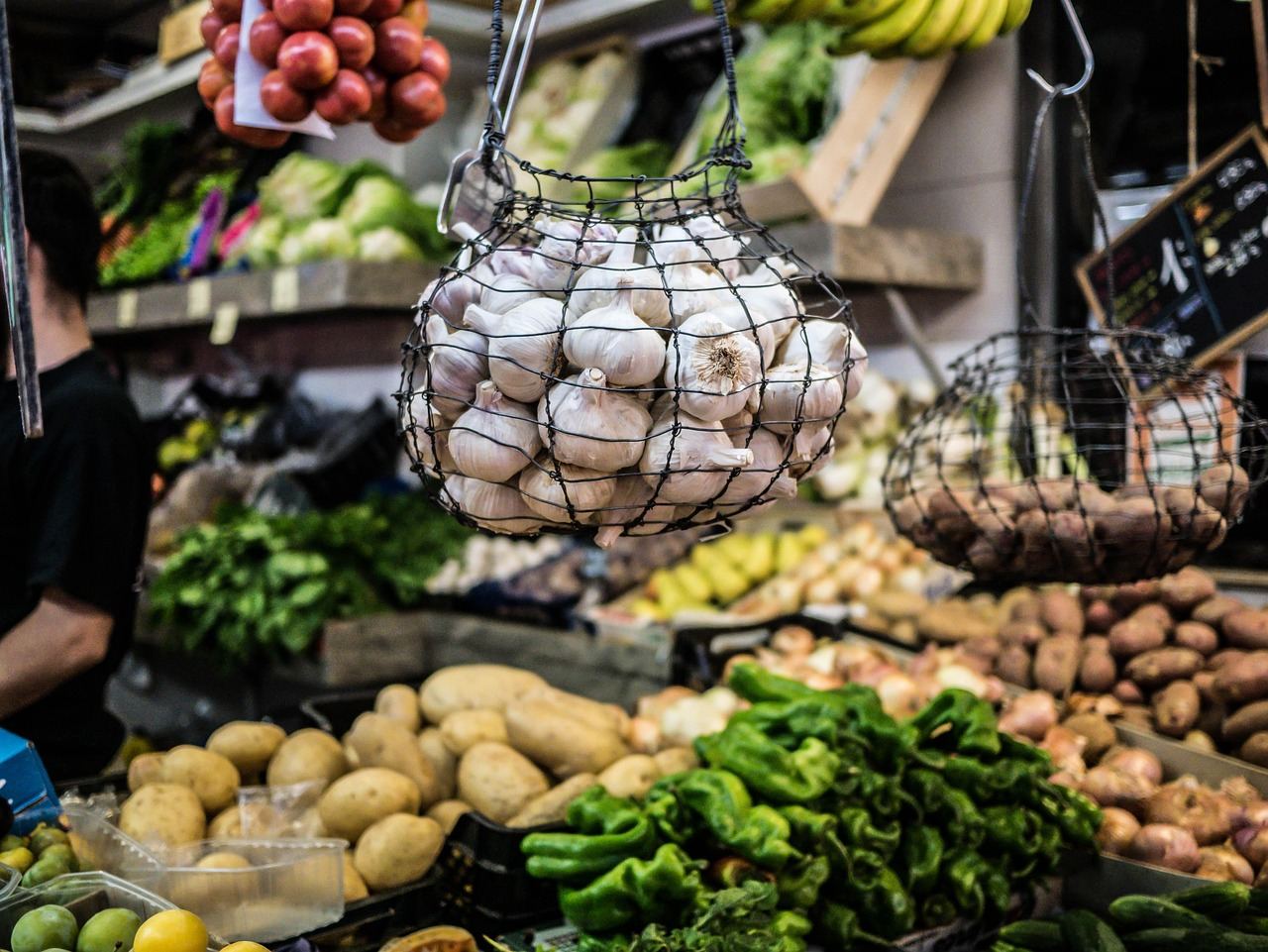
Inside a municipal market, the shops and stalls are run by traders, who are part of the system rather than outside it. The institute’s driver page says Barcelona’s markets want to continue to maintain their public-private management model.
That page also describes the traders’ side of the arrangement. It mentions an ongoing education plan for traders, a planned professional and generational change with knowledge transfer, and a commitment to personalisation and customer service.
The soul page adds the neighbourhood dimension. It describes the aim of strengthening the commitment of traders to the market and the network, adapting and standardising opening times for citizens, and boosting the relationship between the market and the local shops. It also mentions monitoring the application of the PECAB, the Special Plan for Commercial Food Facilities in Barcelona. Because opening times are something the institute aims to adapt and standardise, they are best checked on each market’s own page rather than assumed.
How market renovations are planned
Rebuilding is a core activity. The institute’s page on refurbishments says that modernisation and refurbishment have been among its main tasks since its creation, and that the process involves the agreement and active participation of traders in each market. It starts from an analysis of how trade has evolved and how the market can stay commercially competitive.
The same page explains that modernisation means adapting the commercial supply, the infrastructure and the services to demand, based on commercial and social studies of each market’s catchment area. Improving energy efficiency is described as a key element, together with efficient waste management. The works follow what the institute calls the “Barcelona refurbishment model”, which includes recovering the architectural value of the building and its artistic elements, redefining the commercial mix, moving logistics areas underground, introducing selective rubbish collection and promoting the market through communication campaigns.
Money is part of this too. In the soul page, the institute says it is committed to maintaining and strengthening the model of public-private co-financing in the refurbishment processes of the markets. So a renovation is neither paid for by the city alone nor left entirely to traders: it is a shared project, agreed with the people who work in the building.
Services and sustainability
Markets also function as service points. The services page lists online shopping, home delivery, cloakrooms and WiFi among the main extras, and says most markets have an information point for customers and many have free parking. It describes the cloakroom as a way to store a purchase until it is collected. Those planning a trip can read about getting around Barcelona before deciding how to reach a given market.
On the environmental side, the institute’s sustainability page says it runs campaigns against food waste, separates the different waste fractions and defends renewable energy and energy saving. It points to a supply contract with the city’s public energy company for the municipal market buildings, and an agreement to encourage stallholders to take their own supply from the same operator. For the wider street context around many neighbourhood markets, see the guide to Barcelona superblocks.
Markets in the history of the city
The network has long roots. The institute’s history page traces commercial exchange to Roman times and says the first solid news of a market in the city dates back to the 10th century. It adds that markets have reflected the city’s changes: cast-iron architecture and modernist style appear in the buildings, and many of the old independent municipalities that the city absorbed already had a market of their own.
Markets were also built in the newly created suburbs that arose from the waves of migration the city has seen. The official reading is that the network has repeatedly absorbed new forms of consumption and continues to seek renewal.
Frequently asked questions
Who manages the city’s municipal markets?
A body of Barcelona City Council called the Institut Municipal de Mercats de Barcelona, which operates under the city administration and handles the upkeep and development of the network.
Are all the markets food markets?
No. The official site separates food markets from a few non-food markets, which sell goods such as clothes, antiques, toys and books in a traditional outdoor format.
Who pays for a market renovation?
The institute describes a model of public-private co-financing, with traders taking an active part in agreeing the works, so the cost and the decisions are shared.
Where can opening hours and addresses be checked?
On the individual market pages of the institute’s official website, since hours can change over time. This site does not publish schedules.