Living in Barcelona means a dense, walkable Mediterranean city of distinct neighbourhoods, a connected public transport network, neighbourhood food markets, a colour-coded recycling system and warm, dry summers.
This guide is the starting point for the Barcelona Life section of this independent information site. Each part below points to a deeper article on one topic, and the last sections connect city life to the fashion and business themes covered elsewhere on the site.
How the city is organised: districts and neighbourhoods
A useful way into the city is to see how it divides itself. The city’s own international welcome service explains that Barcelona is divided into 10 districts and 73 neighbourhoods, and it adds that residents are strongly attached to the neighbourhood they live in, with many taking an active part in its social and community life. A district is an administrative unit with its own council offices and cultural programme; a neighbourhood is the smaller, everyday scale at which people recognise a place by its square, its market, its bakery and its local festival.
The same page describes the typical housing stock in plain terms: blocks of buildings with multi-family dwellings, where the flats are not very spacious, and where people usually socialise outside their homes. That single observation explains a great deal about daily life. Squares, terraces, benches, parks and the pavement itself work as an extension of the living room, which is one reason street design is such a live subject in the city. Single-family houses with gardens are mostly found in residential zones of the wider metropolitan area rather than in the city itself, according to the same source.
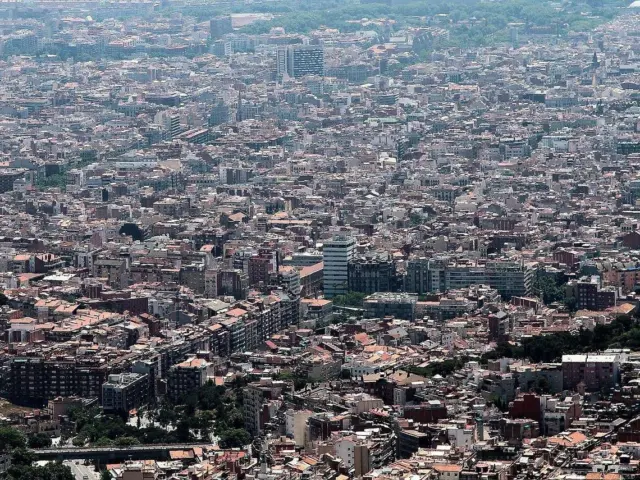
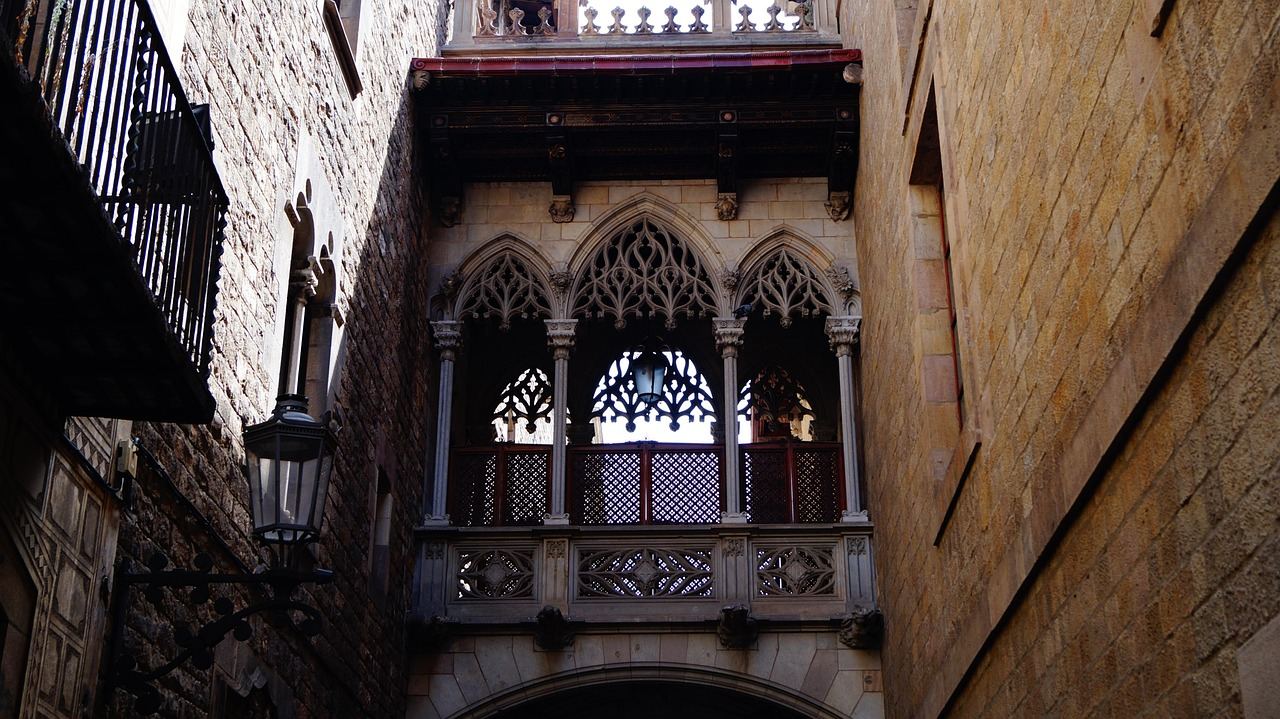
Neighbourhoods differ sharply in character. The old centre has narrow medieval streets, the grid of the planned extension district has long straight avenues and chamfered corners, the former industrial quarters by the sea have converted factories and new campuses, and the hillside districts have a village feel with steep lanes. A longer walk-through of each district, with the features that tend to matter to newcomers, is in the article on Barcelona neighbourhoods.
Choosing where to live is a personal and financial decision that depends on budget, commute, noise tolerance and lifestyle, and the information here is general background rather than relocation advice. The city council’s own pages are the right place to confirm current rules on registration, housing and local services.
Moving around: metro, bus, bike and on foot
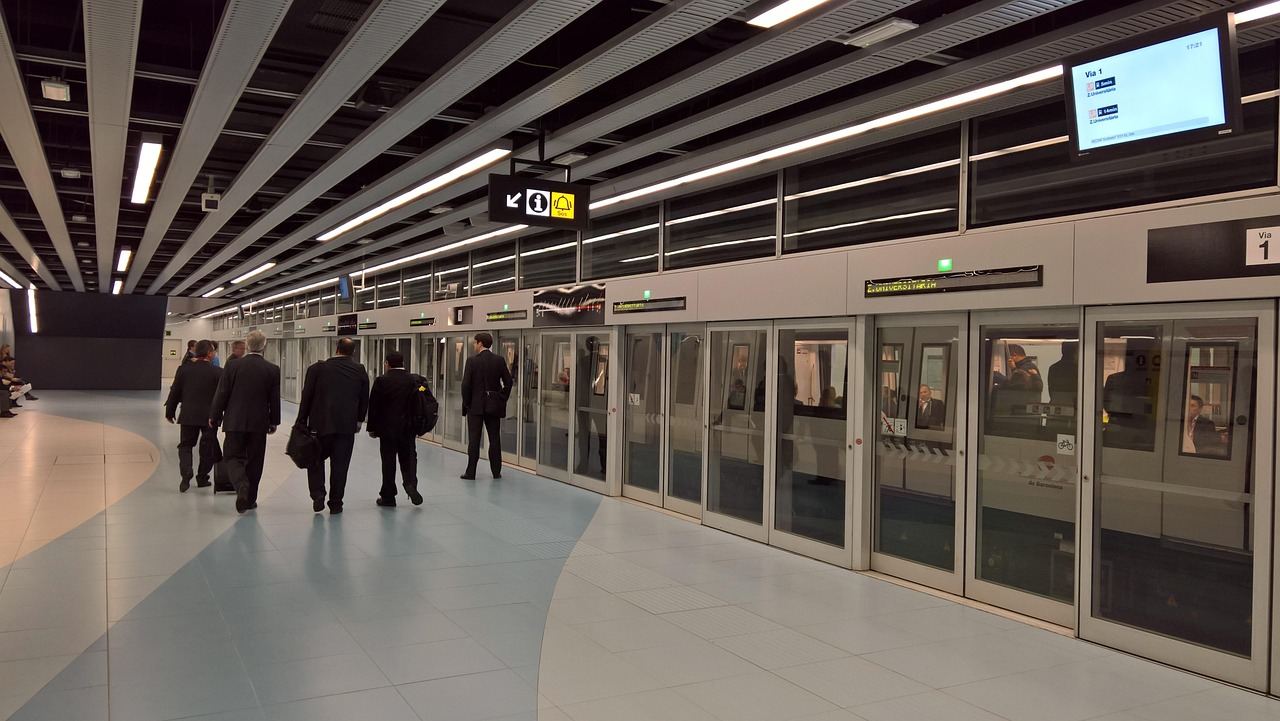
Daily life in Barcelona rarely needs a car. The compact layout, the metro and bus network, trams, suburban rail and a bike-sharing scheme mean that most errands can be done on foot or on public transport. The practical details matter, though, and the article on getting around Barcelona goes through each mode, how the zone system works and what to know before the first journey.
A few principles are worth knowing from the start. The city’s transport operator describes its basic ticket as a single-person, non-integrated ticket, meaning it covers a single journey on the metro, on a bus line of the operator or on the Montjuïc funicular and does not allow a change onto another vehicle. Anyone planning more than the occasional trip normally looks at multi-journey or time-based passes instead. Fares change from year to year, so the operator’s own tickets and fares pages are the only reliable source for current prices, and no price is quoted here.
Cycling is the other everyday option. The city’s mobility pages describe the public bike scheme as designed to complement traditional public transport and ideal for short daily journeys, and note that the Smou app lets users check the status of bike stations in real time. The city’s welcome pages add that the stations are located near to metro and bus stations to encourage combined transport. Eligibility is restricted: users have to be resident in the city and over the age of 16, and the same page states that the bicycles are intended for residents and are not an option for tourists or visitors.
Beyond the formal network, a few habits make the system easier to live with. Many residents plan around the nearest stop rather than the nearest address, check station and line status in an app before leaving, and keep a compact bag, since crowded carriages at busy hours leave little room for luggage. Accessibility information, night services and the arrangements for strikes or works are published by the operator and the city, and they change often enough that a quick check before a long journey is sensible. Cycling and walking routes are shown on the cycle-lane map that the city’s mobility department publishes for download.
Walking remains the default mode for short distances, and the pedestrian experience is changing as streets are redesigned, a theme taken up in the superblocks section below. Combining modes is the norm: a walk to a stop, a metro ride across town, and a short bike hop at the other end.
Municipal markets and everyday food shopping
Markets are one of the most distinctive features of neighbourhood life. The city council’s markets institute describes the network in a single sentence: a dense network of markets, 39 for food and 4 for non-food. The same page traces the story back to Roman times and notes that markets reflected the city’s growth by following it into the suburbs created by successive waves of migration.
In practice a municipal market is a covered building, often with a striking iron or modernist structure, housing many independent stalls selling fresh produce, fish, meat, bread, dried goods and prepared food. Most residents use a local market as a weekly or even daily stop, and the stallholders become familiar faces. Shopping this way tends to produce less packaging than a supermarket trip, and it connects directly to the waste and recycling habits described below. How the markets are organised, what the different kinds of stall offer, and how opening patterns work are covered in the article on Barcelona markets.
Markets also anchor neighbourhood life beyond shopping. Many have small bars and counters where stallholders and customers eat, some host cooking workshops and neighbourhood events, and some offer online ordering through the institute’s own platform. For newcomers they are also an easy way to learn the names of seasonal produce, ask how something is best cooked and get to know the people who sell it. Because stalls are independent businesses, the market is a place where small traders compete on freshness, service and trust rather than on brand.
Opening hours differ by market and change over time, so they are not listed here. The markets institute publishes each market’s schedule on its own site, and that is the source to check before a trip, particularly for the afternoon, holiday and summer arrangements.
Streets for people: the superblock programme
The most talked-about urban idea to come out of Barcelona is the superilla, usually translated as superblock. The city’s official programme page says the approach is becoming the street transformation model for the entire city, with the aim of reclaiming for citizens part of the space currently occupied by private vehicles. The stated goal is a healthy, greener, fairer and safer public space that promotes social relations and the local economy.
In simple terms, a superblock groups neighbouring city blocks so that through traffic is kept to the surrounding streets while the inner streets are calmed and given back to pedestrians, play, trees and seating. The programme page recalls that small-scale initiatives were carried out first in areas such as Poblenou, Horta and Sant Antoni, and that the model is now being scaled up as a network of green hubs and squares, beginning in the Eixample, the grid district designed in the industrial era. The same page says the plan includes four large squares, each around 2,000 m2 in area, at the junctions between green hubs. These details come from the city’s programme page at the time of writing, and project status can change as works progress.
The reasons for the programme are practical. The city describes challenges such as a shortage of green space, high levels of pollution and noise, and road accidents. Supporters point to calmer, quieter streets with more places to sit; critics raise questions about displacement of traffic, cost and the effect on rents and local trade. How the pilots worked, how the model differs from a simple pedestrianised street, and what the debate looks like are explained in the article on Barcelona superblocks.
Recycling, Green Points and second-hand habits
Waste is part of the daily routine from the day of arrival, and the system is colour-coded. According to the city’s cleaning and waste service, Barcelona is committed to selective collection of five waste categories: organic waste, packaging, paper and cardboard, glass and general waste. The same page states that residents in areas using the street bin model have bins within 100 metres of their homes.
The colours follow a consistent code. The city’s street bin page labels the yellow container for packaging, the blue container for paper and cardboard, the green container for glass, the brown container for organic waste and the grey container for the remainder that cannot be recycled. Rules about what belongs where can be specific, which is why the city offers a searchable waste finder. A complete walk-through, including the bins’ contents and what to do with bulky items, is in the article on recycling in Barcelona.
Items that do not fit the street bins go to the Green Points. The council’s page says that the city has a total of 134 Green Points, grouped as area, neighbourhood and mobile points. The list of what neighbourhood Green Points accept is revealing for anyone interested in textiles: it begins with clothing and footwear, followed by cartridges, electronics, cooking oil and batteries. That makes the Green Point the practical route for garments that are too worn to pass on.
For clothes that still have life in them, resale and vintage shopping are well established in the city. The article on second hand shopping in Barcelona explains how that scene works, from charity shops to flea markets, and what to look for when buying used garments. It names no ranked shops and recommends none; it describes the kinds of outlet and the sensible habits for each.
Climate and what the weather means for daily life
Climate is also a practical matter for the home. Shutters, cross-ventilation and shaded balconies make a real difference to comfort at home in the warmest months. Anyone relying on a bike or on foot should plan around the hottest hours, drink water regularly and use shaded routes, and the city lists its climate shelters on the council’s climate pages for people who need a cool place to rest.
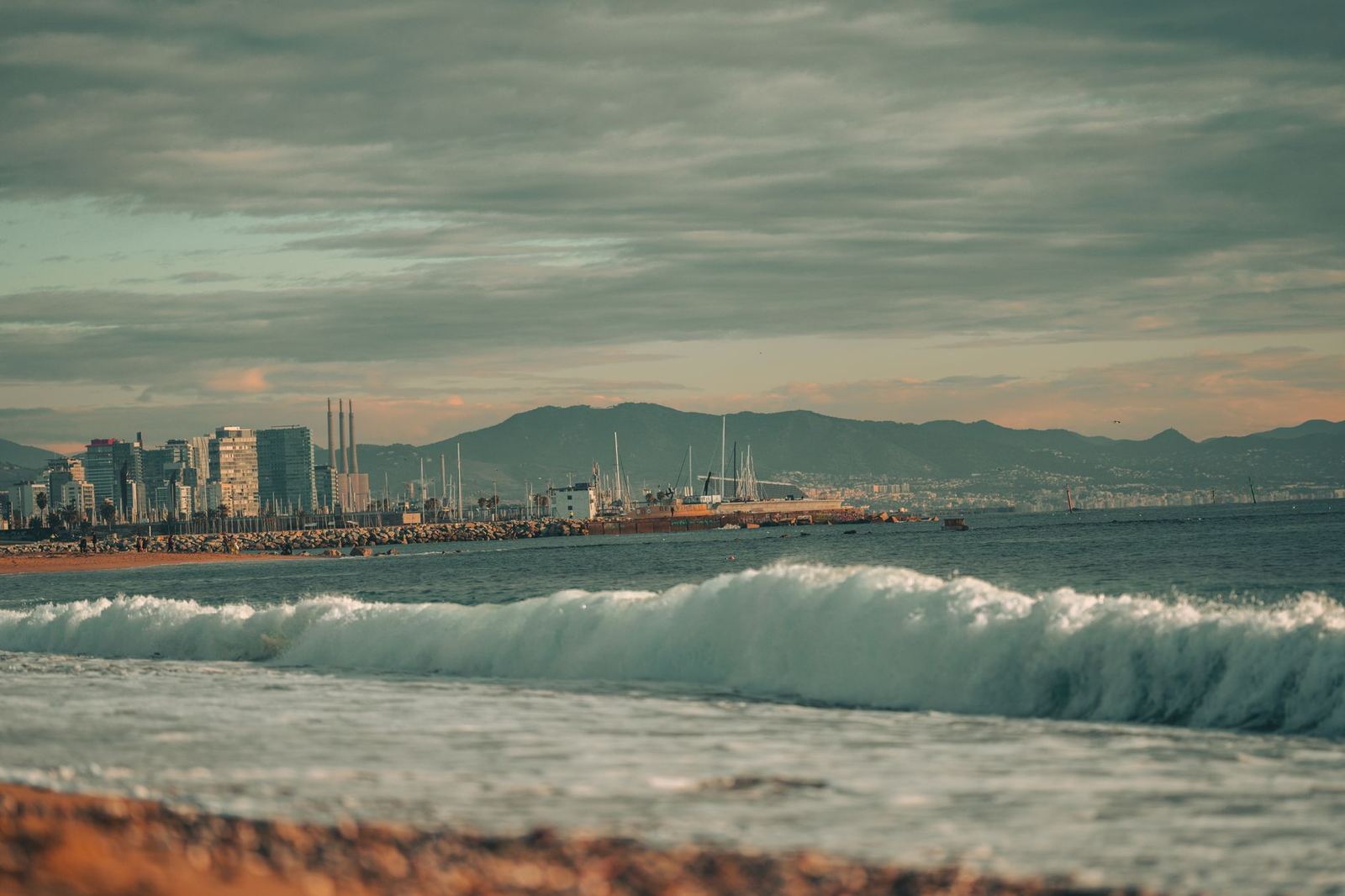
The weather shapes how people dress, when they shop and how they use public space. The Catalan meteorological service explains that the Mediterranean is a warm, enclosed sea that strongly influences the climate of coastal areas, and that it amorteix els extrems tèrmics, in other words softens thermal extremes. The same page notes that in summer, subtropical air masses from North Africa dominate, while polar or continental air arrives more often in winter.
For a resident or visitor the practical consequences are straightforward. Summers are hot and dry, so lightweight, breathable fabrics matter, and natural fibres are popular for that reason. Winters are mild by northern European standards but can feel damp near the sea, so layers are more useful than one heavy coat. Shade, shutters, fans and water fountains become part of the daily routine in the warmest months, and the city also operates a network of climate shelters. A season-by-season guide, with notes on heat and a packing approach that works with a small wardrobe, is in the article on Barcelona climate.
The link between weather and clothing is also a sustainability point. Buying fewer, better-suited garments in fibres that suit the climate usually beats buying many cheap pieces for a single trip, a theme developed in the fashion section of this site.
A textile city: from mills to Poblenou
Barcelona’s relationship with cloth is not only modern retail. The city’s municipal archive notes that the Sant Martí textile tradition caused a number of textile factories to be built in the area, as industrialisation brought the first factories, workers’ housing and new civic buildings to the district. The archive’s nickname for the area, the Catalan Manchester, says a lot about its place in the story.
That history is still visible in the street plan. Former mills and workshops in the old industrial quarters have been converted into offices, university buildings, studios and cultural venues, and the superblock and green hub projects now cut through the same districts. The article on Barcelona textile history follows the thread from the early mills to the present, and shows why a city with this heritage is a natural setting for conversations about how clothes are made.
How city life connects to fashion and responsible business
Everyday habits in Barcelona touch the same questions that run through the rest of this site. Repairing and reselling clothes, separating textiles from general waste, choosing durable fibres for the climate and shopping locally all connect to the wider debate about the footprint of clothing. The section on sustainable fashion explains materials, supply chains and impact, and gives the background to those choices.
There is also a business side. Companies that design, source and sell garments face growing expectations on reporting, supplier checks and honest marketing, and the section on ethical business sets out how those standards work. This site is independent: it is not affiliated with any brand, certifier, public body or the city council, offers no services, and does not take enquiries. Rules, figures and practicalities come from the pages of the organisations that publish them, and readers should check those pages for the latest position.
Frequently asked questions
Is Barcelona easy to live in without a car?
For most daily needs, yes. The city is compact, and the public transport network, the bike-sharing scheme and walkable neighbourhoods cover most routines. Current ticket types and prices are on the transport operator’s own pages.
How do I know which bin to use?
The city uses a colour code: yellow for packaging, blue for paper and cardboard, green for glass, brown for organic waste and grey for the remainder. The council’s street bin page lists what belongs in each.
Can anyone use the city’s bike-sharing scheme?
The city’s welcome page says that users have to be resident in the city and over the age of 16, and that the bicycles are not an option for tourists or visitors, as set out on the bike-sharing page.
Where can worn-out clothes be taken?
Neighbourhood Green Points accept clothing and footwear, according to the council’s Green Point page. Garments in good condition are better passed on through resale or donation first.
Is this the official city website?
No. This is an independent information site and is not affiliated with the city council or any public body. Always confirm rules, fares and opening hours on the official pages.