Barcelona textile history runs from thread works in Sant Andreu to cotton mills in Poblenou, and many of those buildings now serve as campuses, museums and creative centres. The surviving brick halls and chimneys tell much of the story.
This guide follows the industry through the places where it can still be seen, and it belongs with the wider overview of living in Barcelona. It is general background drawn from city and museum pages, not a tour service or a recommendation of any venue.
Thread and the Fabra i Coats complex
Thread is a good place to begin, because the Museu d’Història de Barcelona (MUHBA) has researched a major textile company of the city in detail. Its exhibition page says the roots of Fabra i Coats go back to 1853, with the construction of the Ca l’Alsina factory, the first of the factory complex in Sant Andreu de Palomar. The same page records that the Fabra i Coats company was founded in 1903, that it came to dominate the sewing thread market in Spain, and that the firm closed in 2005.
The company also appears in a MUHBA book on its management model. The museum’s description states that in the early twentieth century the Scottish multinational J. & P. Coats was the third largest industrial company in the world, and that its Catalan subsidiary was the first textile company in Spain, according to the publication page. The point for readers is scale: this was a local mill tied into an international business, with finance, products and labour policy to match.
The exhibition material also lists the topics that make the site more than a ruin of machines. They include working conditions, social provision for employees, labour conflicts and the story of how a paternalist employer gave way to a modern corporate one. Reading the building alongside those themes helps explain why the city chose to keep and reuse it rather than clear it.
Poblenou, the textile quarter that changed use
Poblenou is the district most people picture when they think of the city’s mills, and it is also where the story of reuse is clearest. The Gran Enciclopèdia Catalana describes the 22@ technology district as set in the former industrial area of Poblenou, created from a change approved on 27 July 2000 to the former industrial zones of the 1976 metropolitan plan, with the new zoning covering about 198 hectares according to the encyclopedia entry.
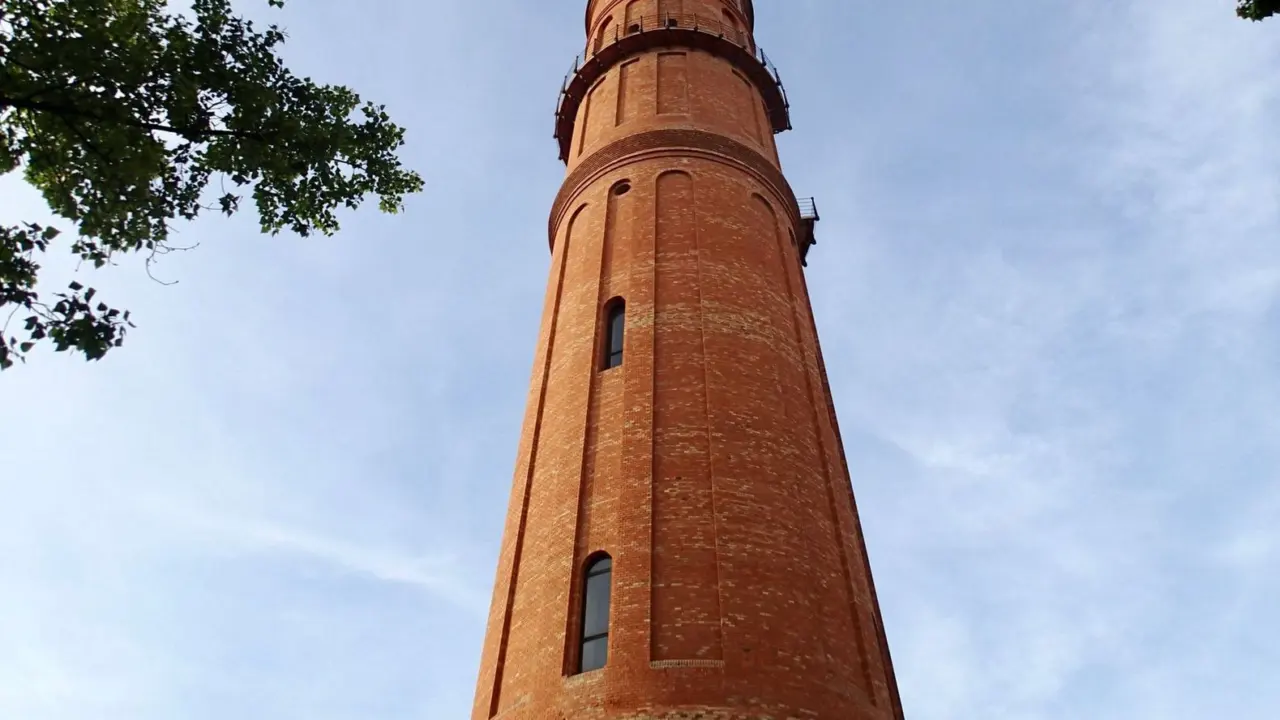
The same entry shows that the plan was not meant to erase the past. A plan to protect industrial heritage was approved in 2003 and extended in 2006, and it conserves around a hundred architectural elements of interest, as the entry explains. In practice that means chimneys, brick halls and iron frames sit between newer office and university blocks, which is why a walk through the area feels like moving between centuries.
Seeing this on foot takes some planning around weather; the page on Barcelona climate covers the seasons, and mild days suit the open courtyards best.
Mills that remain and what they became
Several former factories are easy to identify and are described by the city’s tourism consortium. Ca l’Aranyó is presented there as a former nineteenth-century cotton factory in the 22@ district that now houses university and creative spaces, and the page adds that it was built around 1872 and was one of the first buildings in Barcelona to use iron as a structural element, according to the Ca l’Aranyó page.
Can Canela is described as a former textile factory in Poblenou and a symbol of the neighbourhood’s industrial legacy, now home to a centre for training and entrepreneurship, per the Can Canela page. Can Jaumandreu is presented as a former nineteenth-century textile factory whose Manchester-style building mixes industrial architecture with glass and aluminium, and which now houses classrooms, offices and coworking spaces, according to the Can Jaumandreu page.
The old factories of Can Ricart and Can Felipa are described as a modernist industrial complex in Poblenou and a cultural space that reflects the textile history of Barcelona, in the listing for the complex.
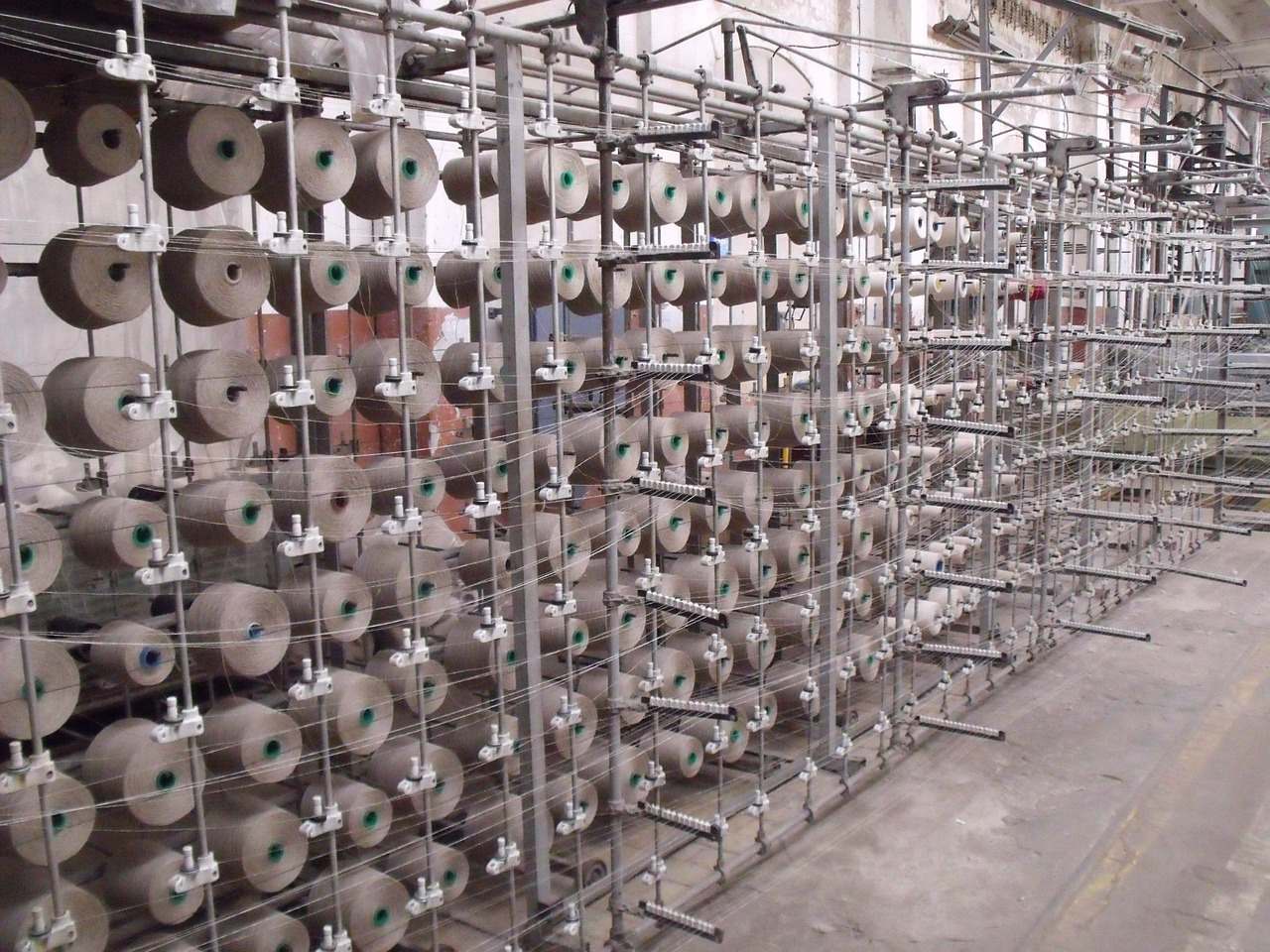
Taken together these examples show a pattern rather than a single story. In each case schools, offices or cultural programmes now occupy the shells of former textile factories, and the brick, iron and chimneys remain visible as markers of the earlier use. That continuity is what makes a walk through Poblenou readable as history rather than only as a modern business district.
A textile colony beyond the city limits
Not every textile site is inside the city. The Colònia Güell lies outside Barcelona, in Santa Coloma de Cervelló, and was founded in the late nineteenth century as a self-sufficient community built around a textile factory commissioned by Eusebi Güell, with workers’ housing, services and green spaces laid out around it, according to the Colònia Güell page. The same page says the factory specialised in corduroy and velvet and was the economic backbone of the colony until it closed in 1973.
The colony matters for the wider picture because it shows textile industry as a social model as well as a manufacturing one. Housing, shops and public spaces were planned together with the mill, which gave the site a character quite different from the dense mill streets of Poblenou.
Textiles in the museum collections
The history is also kept in objects. The Gran Enciclopèdia Catalana explains that the Barcelona textile and clothing museum traces its origin to fabric purchases begun by the city council in 1883, that a textile museum opened in 1964 in the former Hospital de la Santa Creu, and that the textile and clothing collections were merged in 1982, as the encyclopedia entry records. It adds that in 2008 the collections moved to the Pedralbes palace, and that the museum became part of Disseny Hub Barcelona.
These holdings complement the factory buildings. A mill shows where cloth was made, while a museum collection shows what was woven, worn and kept, so reading both gives a fuller account than either can alone.
Why the story still matters for clothing today
For readers interested in sustainable fashion, the local industrial past gives context. The buildings that remain remind visitors that clothing has always involved energy, labour and materials, wherever the cloth was made. That context is useful when thinking about how long clothes last and where they go next. The guide to second hand shopping in Barcelona looks at one practical, present-day way to keep garments in use.
When visiting heritage sites, check each venue’s own page for opening arrangements, because university spaces and public buildings may have limited access and some, such as Can Jaumandreu, may not be open to the public.
Frequently asked questions
Where in the city can former textile factories be seen?
Poblenou has the densest cluster, with university and cultural uses inside old mills, while Sant Andreu holds the large thread complex now linked to the city history museum. Colònia Güell sits outside the city boundary.
Was the whole of Poblenou demolished for the technology district?
No. The heritage protection plan kept a set of architectural elements, so chimneys and brick factory halls remain among newer buildings.
Can visitors go inside the old mills?
It depends on the building. Some host universities or training centres with set schedules, and at least one is listed as closed to the public, so the official page for each site is the best guide.
Where are historic textiles and clothing displayed?
The city’s textile and clothing collections belong to the design museum, which grew out of earlier textile and clothing museums.